Have you ever seen someone text FOMO and instantly felt curious, confused, or even slightly anxious? 😟
You’re not alone. Modern digital conversations are filled with short forms and slang that evolve faster than ever.
Understanding the FOMO meaning in text can help you connect better, communicate clearly, and feel more confident in online conversations.
Whether you see FOMO on social media, in group chats, or private messages, this guide will explain exactly what it means, where it comes from, how to use it, and how to respond.
By the end, you’ll fully understand this popular slang term and know when to use it naturally. 🚀
What Does FOMO Mean in Text? 🤔
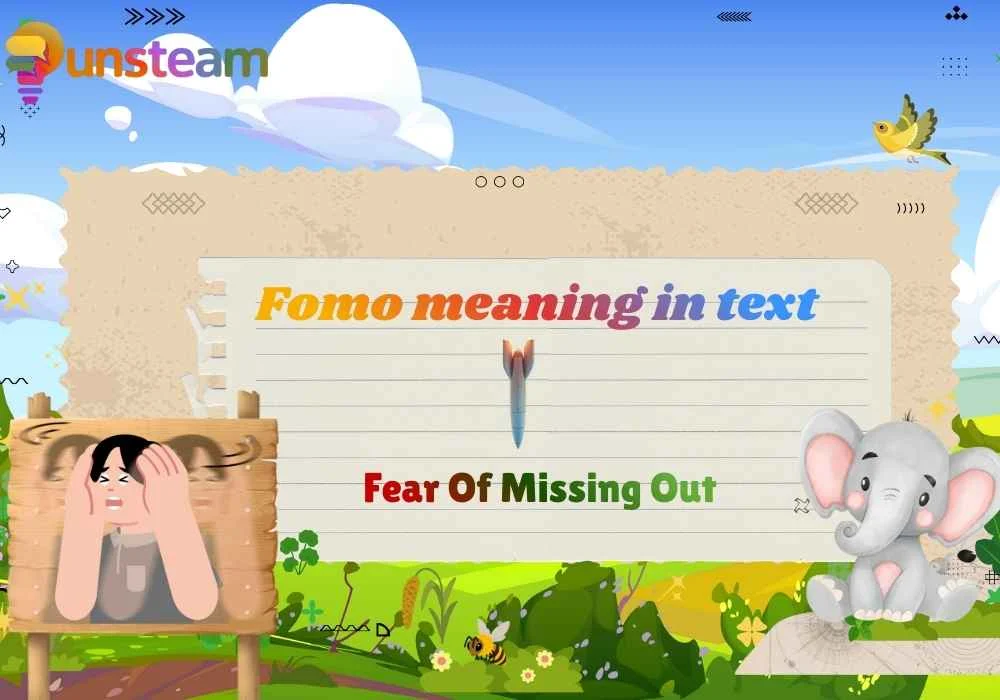
FOMO stands for Fear Of Missing Out.
It describes the feeling of anxiety or worry that you might be missing something exciting, important, or fun that others are experiencing.
“FOMO is the uncomfortable feeling that everyone else is having fun without you.”
In texting, FOMO is often used casually to express curiosity, excitement, or slight jealousy.
Simple Explanation of FOMO 🧠
When someone says FOMO, they usually mean:
- I don’t want to miss out
- I wish I could join
- I’m curious about what’s happening
- I feel left out
It can be serious, playful, or humorous depending on the situation.
Origin of FOMO 📜
The term Fear Of Missing Out existed long before texting. However, the abbreviation FOMO became popular with the rise of social media platforms.
As people began sharing their lives online, others started comparing themselves and worrying about missing experiences.
Today, FOMO is widely used in:
- Text messages
- Social media captions
- Online comments
- Marketing campaigns
Why People Use FOMO in Text Messages 💬
People use FOMO because it quickly expresses a complex emotion.
- Saves time
- Feels relatable
- Sounds modern
- Creates emotional connection
It’s easier to type “FOMO” than explain your entire feeling.
FOMO Usage Examples in Text ✍️
| Message | Meaning |
|---|---|
| I saw your party pics… FOMO 😭 | I wish I was there |
| Should I come? I’ve got FOMO. | I don’t want to miss out |
| Major FOMO right now | Feeling left out |
| That trip gave me FOMO | I wish I experienced it |
Is FOMO Positive or Negative? 😊😟
FOMO can be both.
- Positive: Motivates people to try new things
- Negative: Can cause stress and anxiety
In texting, it’s usually lighthearted.
How to Respond to FOMO 💡
| Situation | Good Reply |
|---|---|
| Friend feels left out | You’re coming next time! |
| Playful FOMO | 😂 You should’ve come |
| Serious FOMO | We’ll plan something soon |
FOMO vs Similar Slang ⚖️
| Slang | Meaning | Difference |
|---|---|---|
| FOMO | Fear of missing out | About missing experiences |
| YOLO | You only live once | Encourages action |
| JOMO | Joy of missing out | Enjoying staying home |
Psychology Behind FOMO 🧠
FOMO is connected to:
- Human desire to belong
- Social comparison
- Curiosity
- Need for validation
Social media amplifies these feelings.
FOMO in Social Media Culture 📱
People post highlights of their lives, not daily struggles.
This creates an illusion that everyone else is always having fun.
Result? FOMO.
Healthy Ways to Handle FOMO 🌱
- Limit social media time
- Focus on your own goals
- Practice gratitude
- Choose experiences intentionally
Do’s and Don’ts of Using FOMO ✅❌
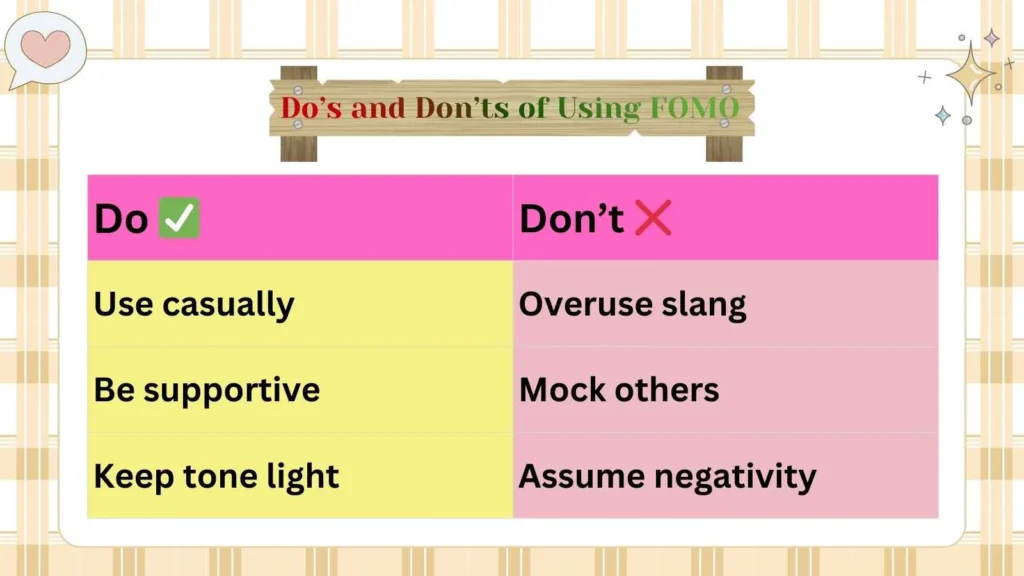
| Do | Don’t |
|---|---|
| Use casually | Overuse slang |
| Be supportive | Mock others |
| Keep tone light | Assume negativity |
FOMO in Conversations Examples 💬
- Friend: We’re going hiking tomorrow.
- You: FOMO already 😅
- Friend: Concert was amazing!
- You: Stop giving me FOMO 😭
Related Slang You May Like 🔎
FAQs:
What does FOMO mean in text?
It means Fear Of Missing Out.
Is FOMO slang?
Yes, it is widely used internet slang.
Is FOMO negative?
Not always. It depends on context.
Can adults use FOMO?
Yes. It’s used by all age groups.
What is opposite of FOMO?
JOMO (Joy Of Missing Out).
Conclusion:
Understanding the FOMO meaning in text makes digital conversations easier and more relatable.
FOMO expresses the universal feeling of not wanting to miss meaningful experiences. While it can sometimes cause stress, it also reminds us of our desire to connect, explore, and belong.
By recognizing how FOMO is used, you can respond appropriately, support friends, and manage your own emotions better.
Slang terms like FOMO continue to shape online language, and learning them keeps you digitally fluent.

Jonathon Dorofy is an SEO content writer and meanings expert who specializes in internet slang, texting abbreviations, and modern language trends. He creates well-researched, easy-to-understand content that helps readers quickly learn the meaning of words, acronyms, and online expressions. With a strong focus on accuracy, user intent, and Google SEO best practices, Jonathon delivers trustworthy content designed to simplify digital communication for a global audience.