Modern relationships have created an entirely new vocabulary. From texting to social media, people now use unique expressions to describe romantic situations.
These expressions are known as dating slang terms. Understanding these phrases helps you stay connected with current relationship culture and communicate more confidently.
In today’s digital world, relationships often start through messaging apps, social platforms, or online communities.
Because of this, people naturally create shorter, funnier, and sometimes mysterious words to describe their experiences. Some slang terms describe romantic excitement, while others explain confusing dating behaviors.
This guide explains the most popular dating slang terms, their origins, meanings, and real-life examples. Whether you are navigating online dating or simply curious about relationship language, this article will help you understand modern dating culture clearly. 😊
What Are Dating Slang Terms? 🤔
Dating slang terms are informal words or phrases used to describe romantic situations, behaviors, and relationship experiences. These expressions often appear in texting conversations, social media posts, and casual discussions among friends.
Unlike traditional relationship vocabulary, slang evolves quickly. New phrases appear every year as digital culture changes the way people meet and interact.
Key Characteristics of Dating Slang
- Short and catchy phrases
- Often used in text messages and online chats
- Reflect modern dating behaviors
- Usually created by younger generations
- Spread quickly through social media
Because dating culture constantly evolves, new slang terms continue to appear, making the language dynamic and interesting.
Origin of Dating Slang Terms 🌍
The origin of dating slang terms often comes from internet communities and pop culture. When people repeatedly use a phrase online, it spreads quickly and becomes part of everyday language.
Many slang terms originate from:
- Online forums and digital communities
- Social media platforms
- Dating apps and messaging culture
- Pop culture and entertainment
“Language evolves with culture, and dating slang reflects the emotional experiences of modern relationships.”
Why Dating Slang Became So Popular 📱
The rise of smartphones and social media platforms changed how people communicate. Messaging is fast, informal, and expressive. As a result, people naturally shorten phrases and create playful expressions to describe romantic experiences.
Main Reasons Dating Slang Grew Rapidly
- Online dating apps made digital communication common
- Social media trends spread new words quickly
- Younger generations enjoy creative language
- Memes and internet culture influence relationship vocabulary
These factors combined to create an entirely new dictionary of modern relationship language.
Common Dating Slang Terms You Should Know 💬
Here are some widely recognized dating slang terms that appear frequently in conversations.
| Slang Term | Meaning | Example |
|---|---|---|
| Ghosting | Suddenly stopping communication without explanation | “He stopped replying to messages. Total ghosting.” |
| Benching | Keeping someone interested while exploring other options | “She keeps texting but never plans dates.” |
| Breadcrumbing | Sending small signals of interest without commitment | “He sends random compliments but avoids meeting.” |
| Cuffing | Wanting a relationship during colder months | “Winter makes people start cuffing.” |
| Orbiting | Watching someone’s social media without direct contact | “They stopped talking but still view stories.” |
Positive Dating Slang Terms ❤️
Not all relationship slang is negative. Some phrases describe exciting and happy romantic situations.
- Crushing – Feeling strong attraction toward someone
- Soft Launch – Slowly revealing a relationship online
- Power Couple – A strong and admired relationship
- Main Character Energy – Confidence in dating life
- Heart Eyes – Showing clear affection or admiration
These expressions highlight the joyful side of relationships and romantic experiences.
Negative Dating Slang Terms 🚩
Some dating slang terms describe frustrating or confusing behaviors in relationships.
- Love Bombing – Overwhelming someone with attention early in dating
- Zombieing – Returning after ghosting someone
- Catfishing – Pretending to be someone else online
- Situationship – A relationship without clear labels
- Slow Fade – Gradually reducing communication
Understanding these terms can help people recognize unhealthy relationship patterns early.
How Dating Slang Shapes Modern Relationships 💡
Language influences how people understand their experiences. When someone learns terms like ghosting or breadcrumbing, they can better describe what they are feeling.
This shared vocabulary allows people to discuss dating challenges more openly and recognize patterns in behavior.
Benefits of Understanding Dating Slang
- Improves communication in relationships
- Helps recognize unhealthy behavior
- Builds cultural awareness
- Makes conversations more relatable
Examples of Dating Slang in Conversations 🗨️
Here are realistic examples of how these terms appear in daily conversations.
- “I think he’s breadcrumbing me. He texts but never plans anything.”
- “My friend got ghosted after their third date.”
- “They did a soft launch of their relationship on social media.”
- “That situationship lasted six months.”
These examples show how slang simplifies complicated relationship situations.
Tips for Using Dating Slang Naturally ✨
Using dating slang terms can make conversations more engaging, but they should be used naturally.
- Use slang in casual conversations, not formal writing
- Understand the meaning before using a term
- Avoid overusing slang in professional contexts
- Use it playfully with friends or online discussions
When used correctly, slang can add personality and humor to communication.
Dating Slang vs Traditional Relationship Language 📚
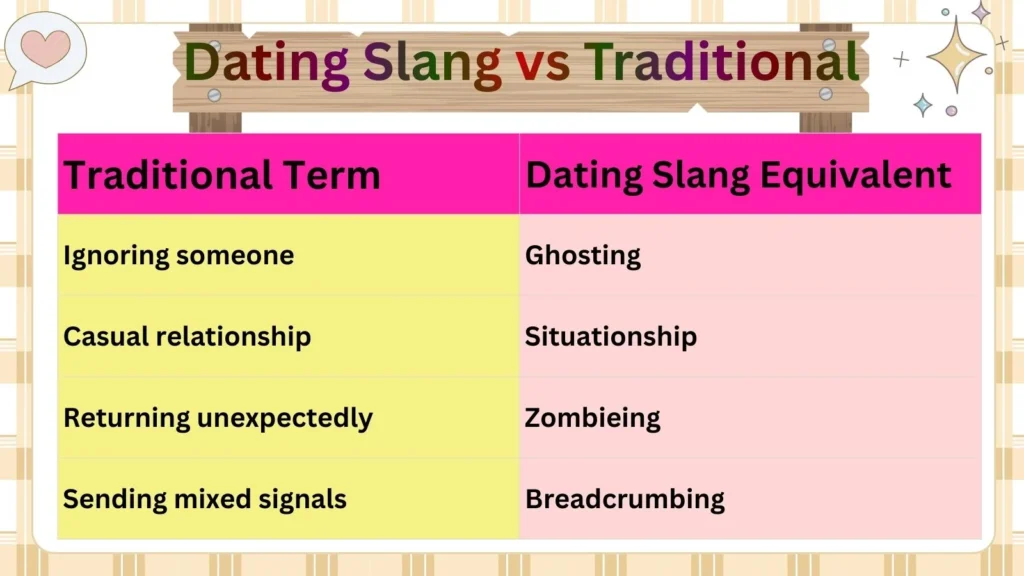
| Traditional Term | Dating Slang Equivalent |
|---|---|
| Ignoring someone | Ghosting |
| Casual relationship | Situationship |
| Returning unexpectedly | Zombieing |
| Sending mixed signals | Breadcrumbing |
This comparison highlights how modern slang simplifies complex relationship behaviors.
The Future of Dating Slang 🔮
The world of dating slang terms will continue to evolve as technology changes communication. New expressions appear whenever cultural trends shift.
Future slang will likely come from:
- Artificial intelligence interactions
- Virtual dating environments
- New social media platforms
- Changing relationship expectations
Because language evolves with society, the vocabulary of love will always expand.
FAQs:
What are dating slang terms?
Dating slang terms are informal phrases used to describe modern romantic experiences and behaviors in relationships.
Why do people use dating slang?
People use dating slang because it makes communication quicker, relatable, and more expressive in casual conversations.
Are dating slang terms only used by young people?
While younger generations often create them, many adults also use dating slang to describe modern relationship situations.
Do dating slang terms change over time?
Yes. New slang appears regularly as online culture and dating trends evolve.
Conclusion:
Learning dating slang terms helps you understand modern relationship culture more clearly. These phrases capture emotional experiences, from exciting crushes to confusing dating behaviors.
While some slang highlights positive moments, others reveal challenges that people face in digital dating environments.
By understanding these expressions, you can communicate better and recognize patterns in romantic interactions.
The language of relationships will always evolve, but the emotions behind it remain universal.
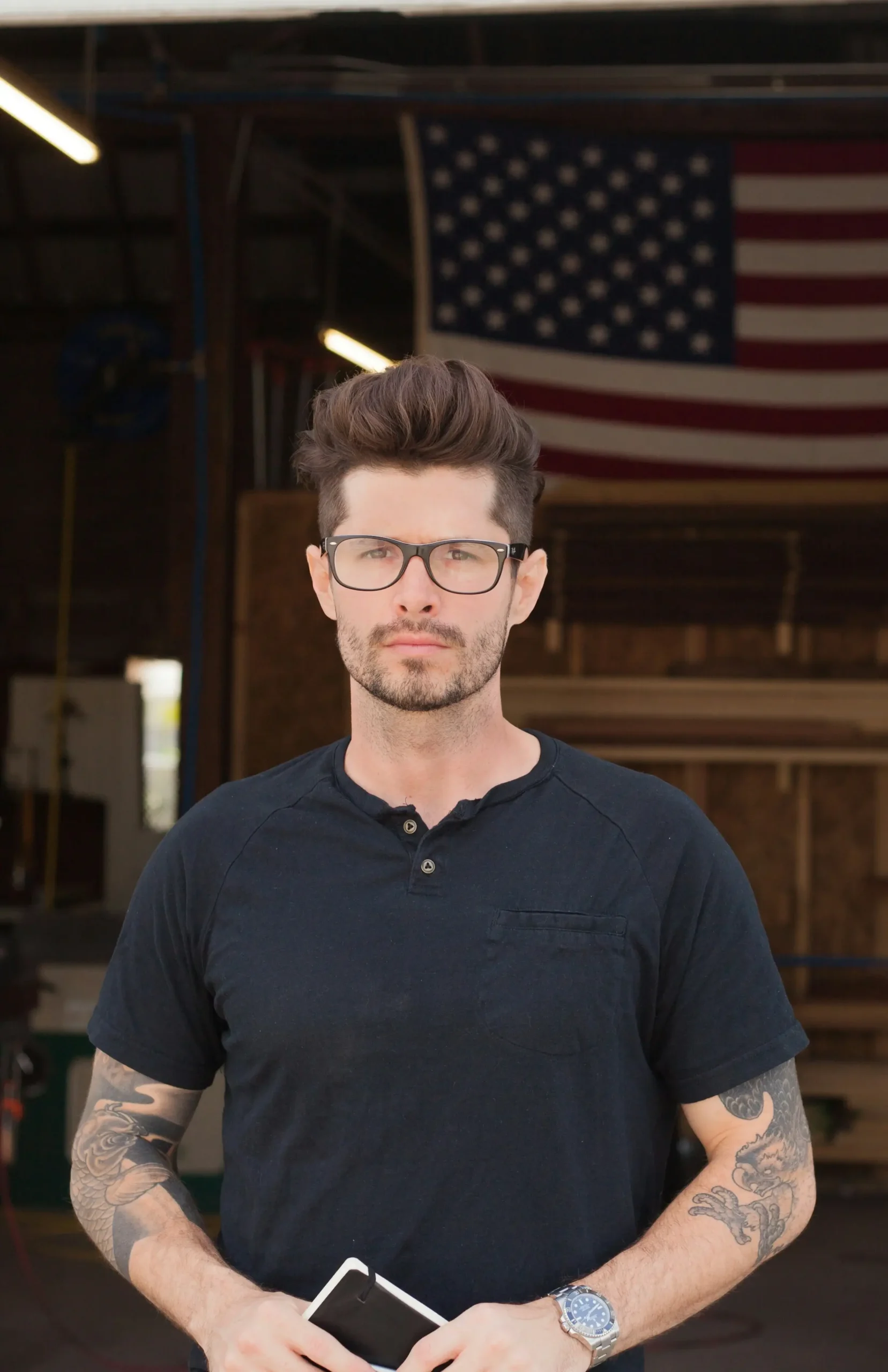
I am Jonathon Dorofy and i am SEO content writer and meanings expert who specializes in internet slang, texting abbreviations, and modern language trends. He creates well-researched, easy-to-understand content that helps readers quickly learn the meaning of words, acronyms, and online expressions. With a strong focus on accuracy, user intent, and Google SEO best practices, Jonathon delivers trustworthy content designed to simplify digital communication for a global audience.