Last updated on January 29th, 2026 at 03:37 pm
WTW meaning in text is one of the most searched slang phrases today — and for good reason. If you’ve ever opened a message and seen someone simply type “WTW,” you might have paused and thought,
“What does that even mean?” You’re not alone. Modern digital conversations move fast, and abbreviations like WTW make chatting quicker, cooler, and more casual.
Texting language evolves constantly. New slang terms appear on social media, gaming platforms, group chats, and dating apps almost every week. Among these trending abbreviations, WTW has earned a strong place in everyday digital talk.
In this in-depth guide, we’ll explore what WTW means, where it came from, how to use it correctly, and how it compares to similar slang terms.
By the end, you’ll confidently understand and use WTW like a native texter 😎.
What Does WTW Mean in Text? 🤔
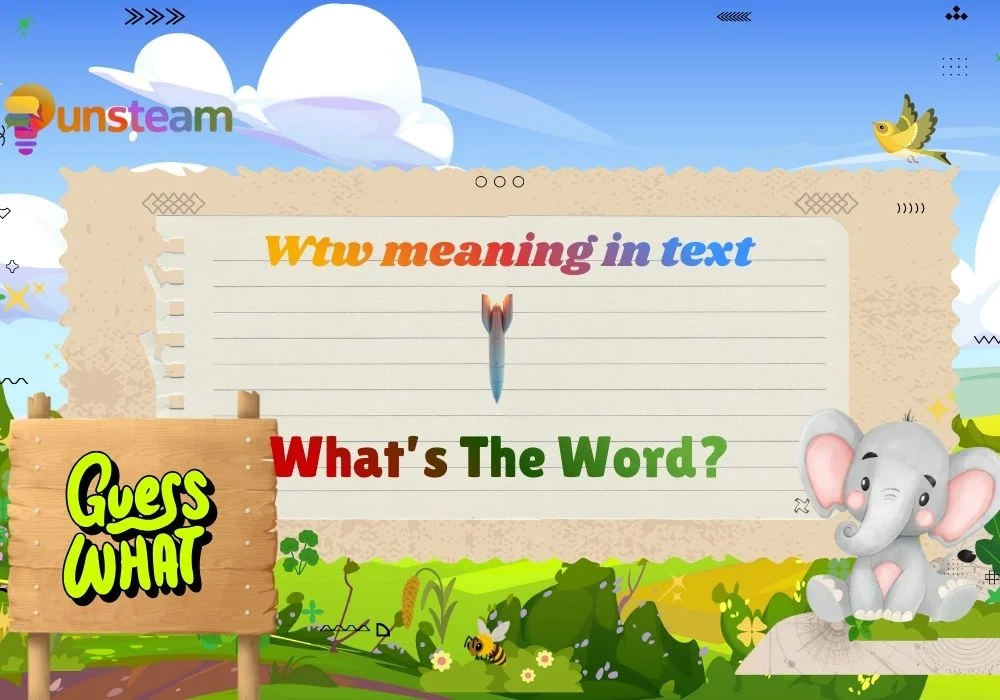
The most common meaning of WTW in text is:
WTW = What’s The Word?
It’s a casual way to ask:
- What’s going on?
- What’s the plan?
- What’s new?
- What’s happening?
Think of WTW as a digital version of saying “What’s up?” or “What’s happening?” in real life.
It’s short, simple, and flexible. That’s why it works in many different situations.
Why WTW Is So Popular 📱
People love shortcuts. In fast-paced digital conversations, typing fewer characters saves time and feels effortless. WTW checks all the boxes:
- Short and easy to type
- Casual and friendly
- Fits many contexts
- Widely understood among younger users
Social platforms like TikTok, Snapchat, Instagram, and Twitter helped push WTW into mainstream slang. Once influencers and everyday users started using it, the term quickly spread.
Origin of WTW Slang 🕰️
WTW comes from African American Vernacular English (AAVE), where the phrase “What’s the word?” has been used for decades as a greeting.
Over time, this spoken phrase moved into texting culture. The abbreviation WTW emerged as smartphones and social media became dominant communication tools.
Today, WTW is considered standard internet slang rather than niche language.
How WTW Is Used in Conversations 💬
WTW usually appears at the start of a conversation or when someone wants an update.
It can be used to:
- Start a chat
- Check plans
- Ask what someone is doing
- Reconnect with someone
It’s informal and friendly, making it perfect for casual chats.
WTW Meaning Based on Context 🔍
While “What’s The Word?” is the core meaning, interpretation can change slightly depending on context.
| Context | WTW Meaning |
|---|---|
| Friends chatting | What’s up? |
| Planning hangout | What’s the plan? |
| Checking in | What’s new? |
| Late-night text | What are you doing? |
Same letters, slightly different intention.
Examples of WTW in Text Messages 📩
Example 1:
Friend: WTW tonight?
You: Nothing much, just chilling.
Example 2:
You: WTW?
Friend: Thinking about going out.
Example 3:
Crush: WTW 👀
You: Just got home. You?
Notice how naturally it fits.
WTW on Social Media Platforms 📲
WTW isn’t limited to private texts. It’s widely used on:
- Instagram captions
- Snapchat messages
- TikTok comments
- Twitter/X replies
Example:
WTW for the weekend? 😏
This invites engagement and responses.
Is WTW Flirty? 😘
WTW can be flirty depending on tone and emojis.
Neutral:
WTW?
Flirty:
WTW tonight 👀🔥
Same word, different vibe.
WTW vs Similar Slang Terms 🔄
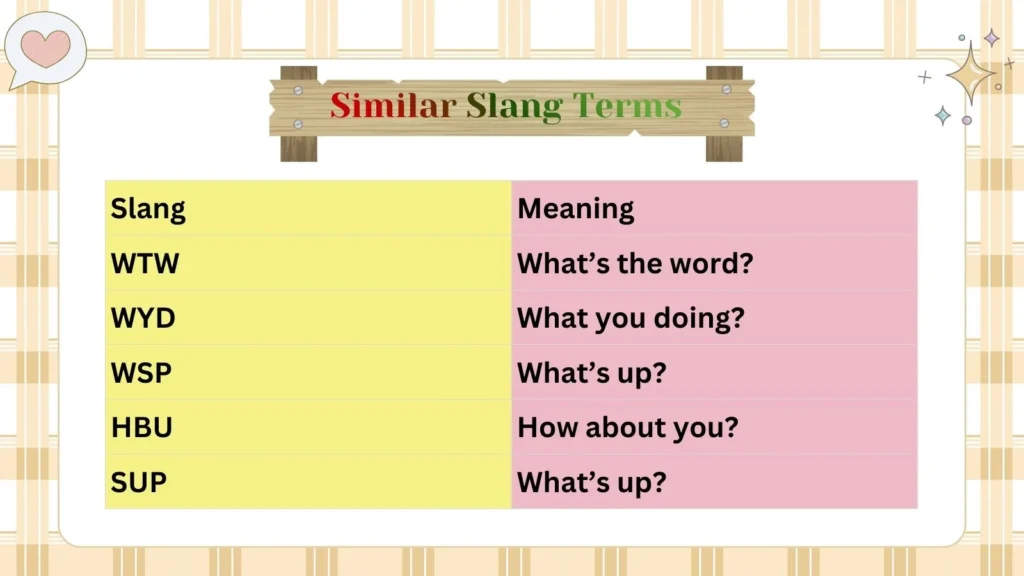
| Slang | Meaning |
|---|---|
| WTW | What’s the word? |
| WYD | What you doing? |
| WSP | What’s up? |
| HBU | How about you? |
| SUP | What’s up? |
WTW is broader than WYD because it can refer to plans, news, or updates.
When NOT to Use WTW 🚫
WTW is informal. Avoid using it in:
- Work emails
- Professional messages
- Formal conversations
Instead, write full sentences like:
Do you have any updates?
• WTW on Snapchat stands for “What’s The Word?”
• It is commonly used to ask what’s happening or what’s going on
• People send WTW when they want to start a casual conversation
• It can mean “What’s up?” in a more slang-style format
• Friends often use WTW to check plans or current mood
• It’s popular in quick chats and streak messages
• WTW can also mean “What’s The Move?” depending on context
• The meaning depends on the conversation tone
• Usually sent as a friendly opener
• Best replied with what you’re doing or how you’re feeling
How to Respond to WTW ✅
Your response depends on what you’re doing or want to say.
- “Not much.”
- “Just working.”
- “Trying to make plans.”
- “Chilling at home.”
Simple and natural.
WTW in Dating Apps 💘
On dating apps, WTW is often a conversation starter.
Example:
WTW tonight? Looking for good vibes 😌
It signals interest without pressure.
Common Mistakes With WTW ⚠️
- Using it in formal settings
- Assuming it always means “What you doing”
- Overusing slang in every sentence
Balance is key.
WTW and Generational Usage 👥
WTW is most popular among:
- Gen Z
- Young Millennials
Older generations may still understand it, but might not use it frequently.
Psychology Behind Using WTW 🧠
Using slang like WTW creates:
- Sense of belonging
- Casual tone
- Lower communication barriers
It feels friendly and low-effort.
WTW in Group Chats 👨👩👧👦
WTW works great for starting group conversations.
WTW everybody? Any plans?
It invites multiple responses.
Related Slang You Should Know 🔗
If you enjoy learning texting slang, explore:
FAQs:
Does WTW always mean “What’s the word?”
Yes, in most texting contexts, WTW means “What’s the word?”
Is WTW rude?
No. It’s casual, not rude.
Can WTW mean “What the what?”
Rarely. Context usually points to “What’s the word?”
Is WTW used worldwide?
Yes. It’s popular in English-speaking countries.
Should I capitalize WTW?
Both WTW and wtw are acceptable.
Conclusion:
WTW meaning in text centers around one simple idea: asking what’s going on. Despite its short length, this slang term carries flexibility, friendliness, and social relevance.
Whether you’re texting a friend, messaging your crush, or jumping into a group chat, WTW offers an easy way to start a conversation.
Understanding modern slang like WTW helps you stay connected in today’s digital world. It improves communication, avoids confusion, and makes your messages feel more natural.
Language will continue to evolve, but learning these small expressions keeps you in sync with current trends.
If you enjoy decoding slang and texting shortcuts, explore more guides on our site and expand your digital vocabulary today 🚀.

Samuel Robinson is a passionate wordplay enthusiast and creative writer at Punsteam.com , known for crafting witty puns, playful humor, and feel-good content. She believes laughter is a universal language and loves turning everyday moments into clever comedy.